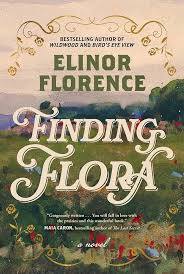
Finding Flora
by Elinor Florence
5/5
Synopsis
In 1905, Scottish newcomer Flora Craigie jumps from a moving train to escape her abusive husband. Desperate to disappear, she claims a homestead near Alix, Alberta, determined to start a new life for herself. She finds that her nearest neighbours are also a Welsh widow with three children; two American women raising chickens; and a Métis woman who makes a living by breaking in wild horses.
While battling the harsh environment (and draconian local attitudes toward female farmers), the five women grapple with the differences of their backgrounds and the secrets each struggles to keep. When their homes are threatened with expropriation by the hostile federal Minister of the Interior, the women join forces to “fire the heather,” a Scottish term meaning raising a ruckus. And as the competition for land along the new Canadian Pacific railway line heats up, Flora’s violent husband closes in, and an unscrupulous land agent threatens the lives and livelihoods of the women just as they’re coming into their own.
Genre
Historical fiction, Canadian fiction, Romance
Content Warnings
Domestic abuse, violence, grief
2026 is basically halfway over, so I think it’s safe to say that “Finding Flora” is my favorite read so far of the year. As someone who grew up on the prairies and moved back after a five-year stint in Ontario, I guess I could be biased. But, aside from showing the beauty and heartache the prairies can bring, the story was very well done. Let’s get into it!
What I Liked
Everything!
Characters
Okay, I’ll try to be a little more specific. Let’s start with the characters. Flora is the perfect character to tell this story. She’s brave, a little naive in the beginning, and goes through the biggest character arc out of everyone. She starts off lost and terrified and ends up doing a complete 180. While she embodies some of the ideals of womanhood of the time, it doesn’t deter her from setting out on the impossible journey of starting a homestead. Nurse Godwin is a minor character, but she deserves a lot of credit for how Flora’s story goes. I wish we’d seen a little more of her!
“She tried to recall the names of fearless women but was hard-pressed to come up with more than two or three examples. Flora MacDonald (…) Grace Darling (…) Emmeline Pankhurst (…)
And the stern figure beside her perhaps.
Flora stole a glance at the nurse, sitting ramrod straight, gripping the reigns in her strong hands.”
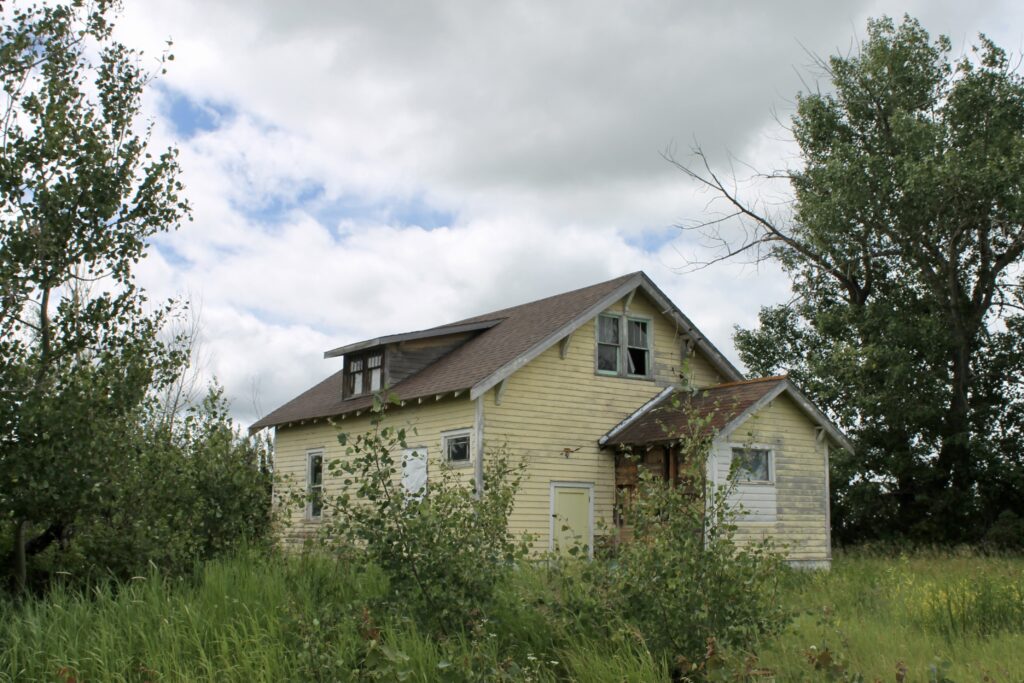
I loved all the ladies at Ladyville. I don’t think I could choose a favorite! If I had to, I’d say Wren. She had this caring auntie feel to her, and I quite adored her. Sourdough was also so great. He was so crotchety, but he really did have a big heart underneath it all. Ah, and I’d be remiss to not mention Dr. Farraday. He was lovely, and I liked that he was a little more modern in many of his views.
“He was clearly sympathetic toward Mrs. Dawson’s plight. How would he feel about Flora if he knew her terrible secret? She wasn’t aware of any religion, any country, that did not consider a wife’s desertion of her husband as an unforgivable sin, if not an outright crime. Yet apparently the doctor didn’t agree.”
Favorite Plot Point
One of my favorite moments was the ‘raising bee’. The farming community is something I’ve always admired, and I’m glad it was included in here. It showed that it’s not just your immediate neighbors that care, but everyone. It reminded me of a story I read about a man who’s daughter was in the hospital and he wouldn’t get his crop off in time. Anyone who’s ever been a farmer or known a farmer knows that it can be a very short window. The picture of all the neighbor’s out in their combines still brings tears to my eyes.
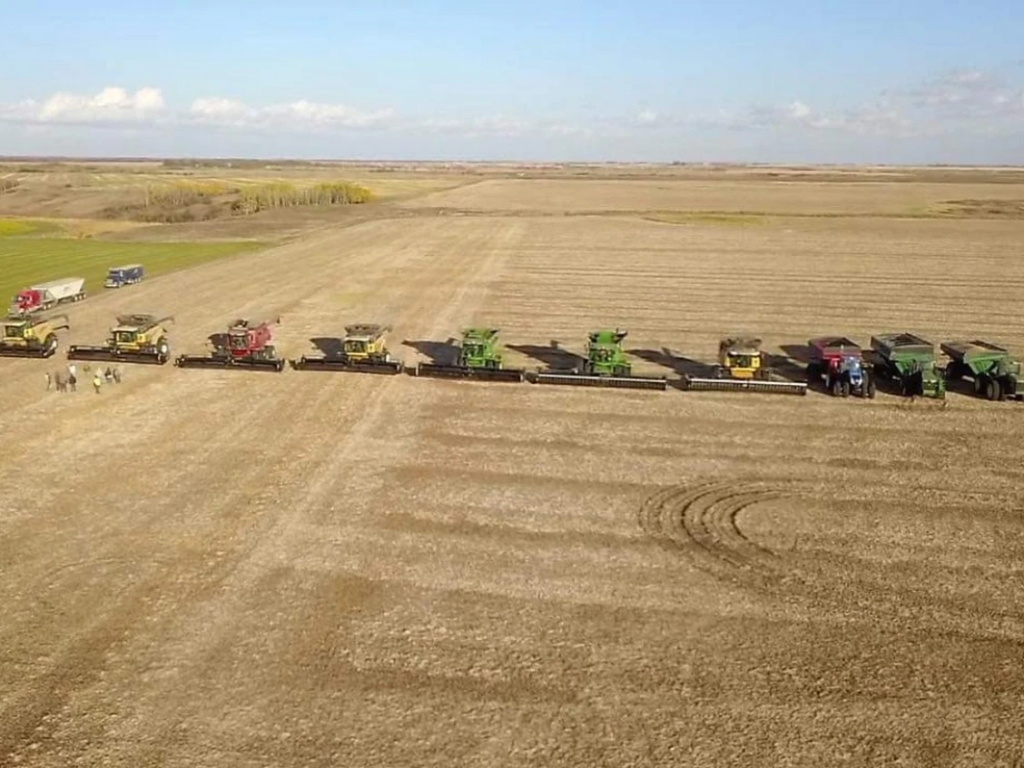
https://nationalpost.com/news/canada/when-this-manitoba-farmer-was-worried-about-his-daughters-health-his-neighbours-pitched-in-to-harvest-his-fields (Here’s the link to the story if you’d like to read it!)
“When a settler gets burned out, everybody in the district pitches in to build a new house and barn for him (…) It’s called ‘a raising bee’.”
Setting
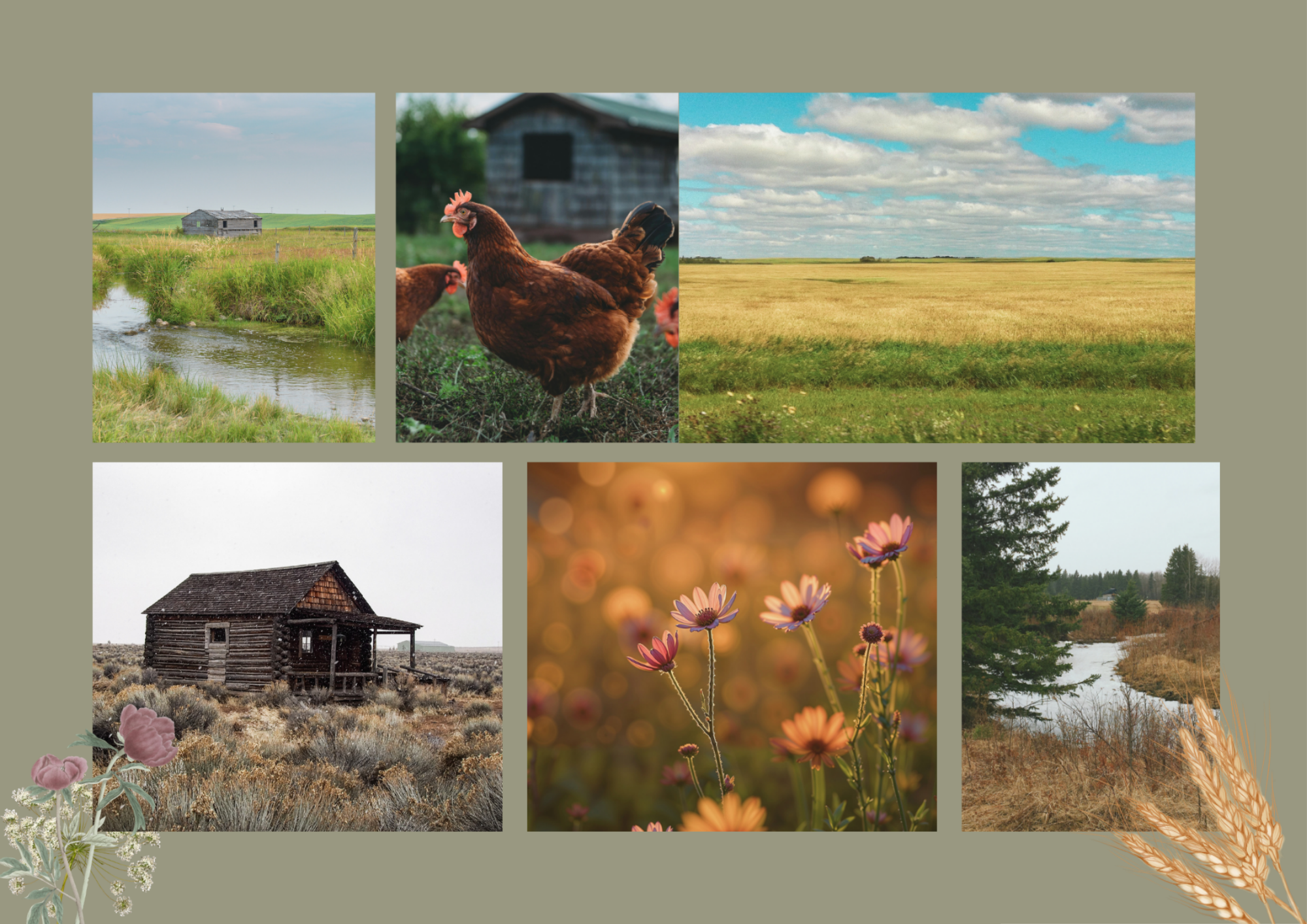
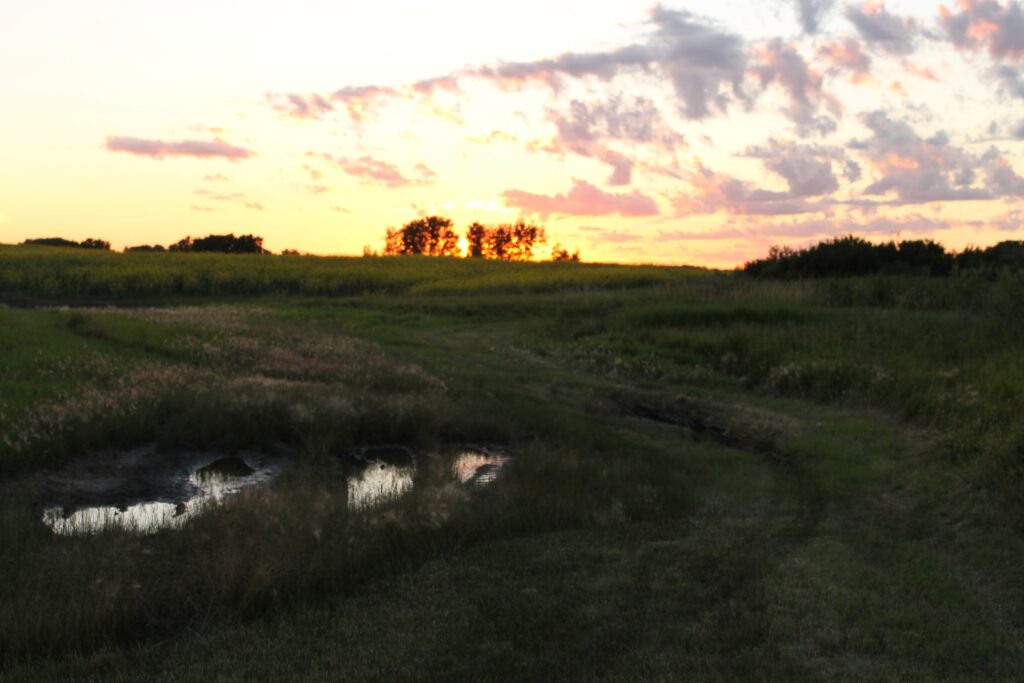
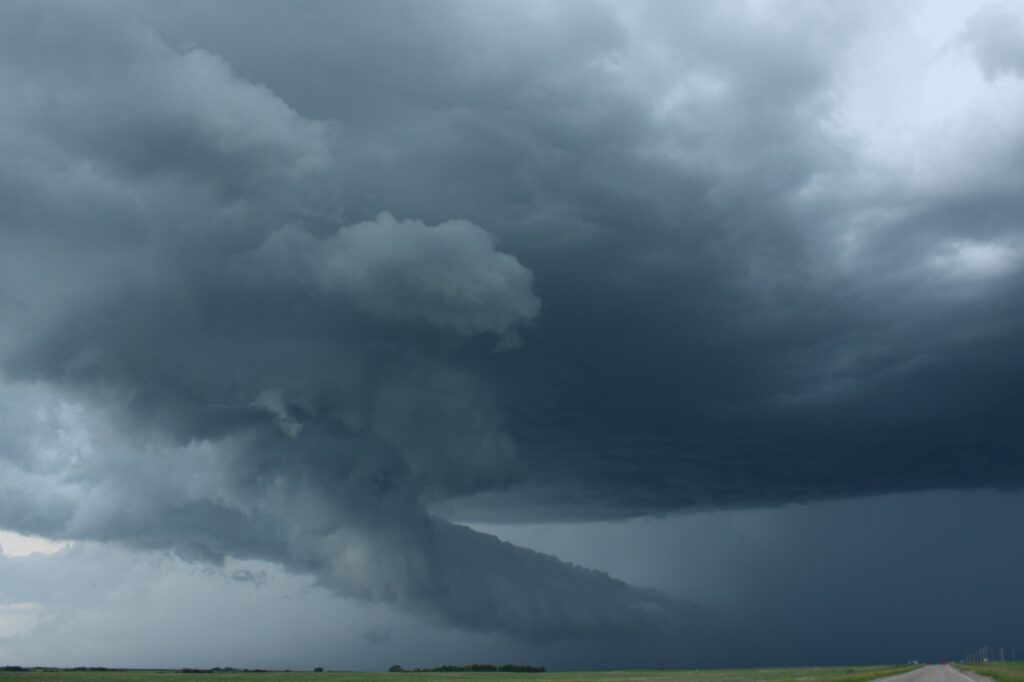
The setting was incredible. As I said, I’m biased, but Elenor Florence really captured the beauty of Alberta. I’ve driven through Alix many times, and even though I can’t place exactly where the homesteads would have been in this book, I could picture the area in my mind, and it made the book come alive. I particularly loved the descriptions of the quick-changing weather. Stories of hailstorms out of nowhere, and whiteout blizzards that last for days can seem like tall tales until you’ve lived through them.
“At the end of the row she stood to stretch, marvelling at the greta snowy masses of sharp-edged clouds against the brilliant sky. A few minutes later, she glanced up to see them rising higher and higher, mounting each other until they formed a giant wall of white boulders, moving as quickly as a galloping horse (…) The clouds were directly overhead. The breeze dropped, and the air became deadly calm.”
Plot
The plot kept me coming back for more. Even though it wasn’t the fastest-paced novel I’ve ever read, it was hard to put down. Every time I thought maybe the ladies would finally catch a break, something else would happen and I’d have to keep reading! I also loved how many bits of real Alberta history were woven throughout the story. I’ve driven through Alix many times, but I had no idea how the village got it’s name.
“We’ll dedicate our new station in Toddsville to the first white woman in the area. and by extension that means renaming the village itself. From now on, this thriving young community, the flower of our new nation, will be known as Alix Alberta! Long may she blossom!”
My great-grandpa purchased a homestead from his uncle, and my family has the privilege of still owning that land over 100 years later. I only wish that they understood then what we understand now about what the government was doing with the land and how the treaties were not being respected. I thought that attention was brought to that in a sensitive, well-done manner, not only through the character of Jessie McDonald, but also through various comments made by the characters.
If you enjoyed this review, head on over to read about “The Briar Club”!
If you have a book you’d like to recommend, please leave a comment below! Happy Reading!